A Four Year Project
The Project
Because of COVID-19, year one of The Three-Fifths Project will be presented to the public as a virtual museum. The online version will feature key elements of the live pop-up museum such as: a mini-documentary, photo exhibit and mural paintings on a single theme.
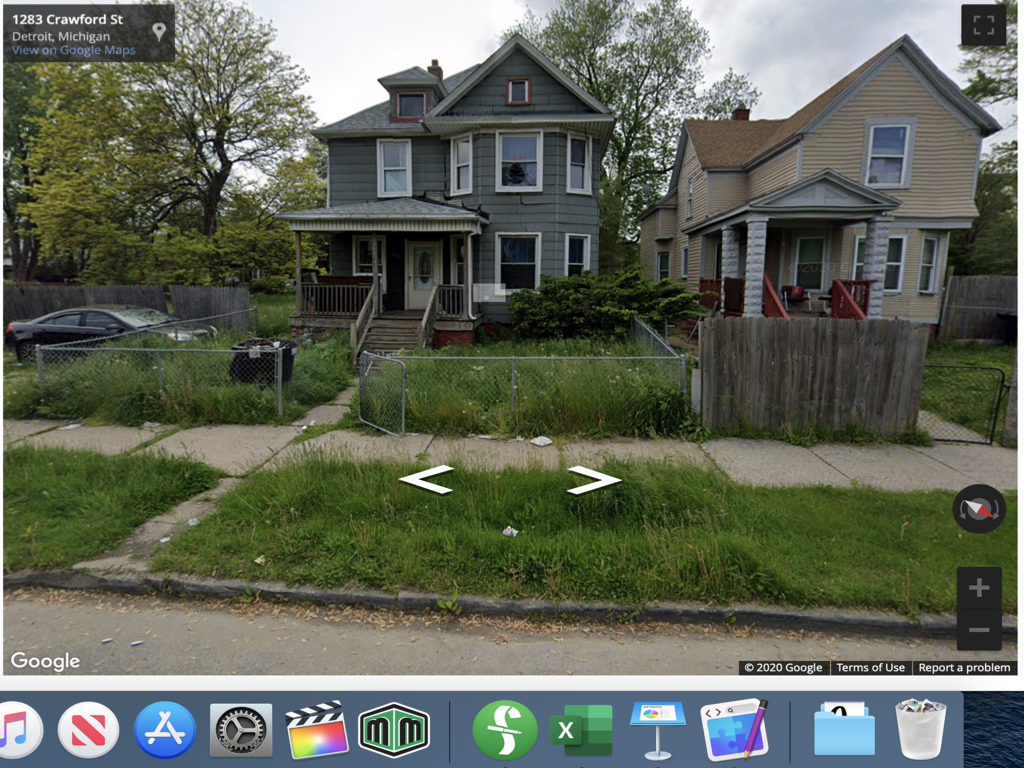
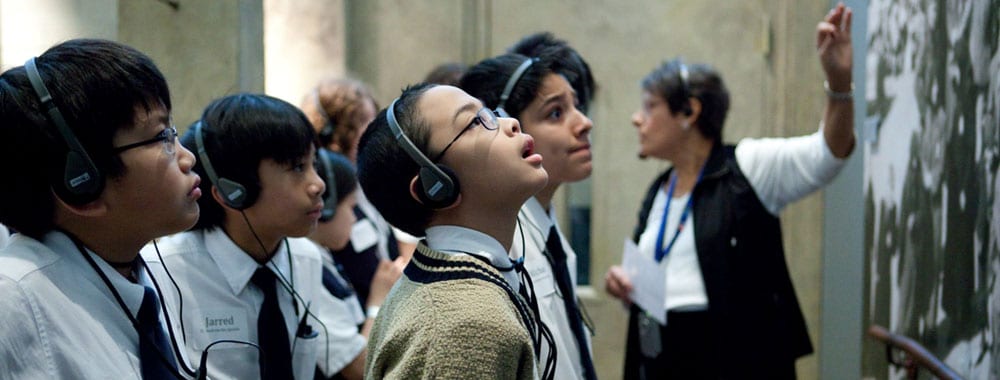
In year two, the virtual museum will be coupled with the open to the public version of the project. This component of The Three-Fifths Project is the full pop-up museum event, housed in a vacant home, that features the work of an EMMY award winning documentarian, a photo exhibit, mural paintings by Metro area students and Detroit graffiti artists, and live performances on a single theme. Each eight week run of the open to the public museum, will feature one of six topics; housing, law enforcement, the health-care system, education, employment and poverty while featuring individuals working to overcome those inequalities.
The Three-Fifths Project is a four year undertaking, to be hosted online only in year one and presented online and live in years two, three and four. The live version will run in 5 different locations across the City of Detroit, with each pop-up museum event running for eight weeks, twice yearly, during the second and third quarters in years three and four. The museums’ single topic event lineup is: housing in 2020, law enforcement 2021, employment and poverty in 2022 and education and the health system in 2023.
Big City Films, a previous Knight Art Challenge winner, along with The Michigan Roundtable and other collaborators will identify a pop-up museum location, manage safety renovations with a local contractor, and supervise movie theater comfort installations, to deliver an impactful experience through a nuevo-museum event.
Conclusion
The Three-Fifths Project is a pop-up museums series, designed to use art as a tool to engage Metro Detroit in critical conversations regarding racism, culminating in the search for answers. The Three-Fifths Project tells the dynamic stories of our sad racial history in the areas of housing, law enforcement, education, our health system, employment and poverty while, highlighting individuals working now to change the narrative to one of hope and inclusion.